
About Rachel
How I fell in love with Renaissance magic
I am in normal times a rather sceptical, 21st century kind of person, not at all the sort of person to fall in love with the history of magic. My last book, ‘The Museum Makers’ came out of the work I did in museums. My next book, ‘The Years of the Wizard’ is rather different. Now that it is being published (on October 9th, 2025) I find myself going back over the steps by which I wrote it, trying to understand the path to enchantment.
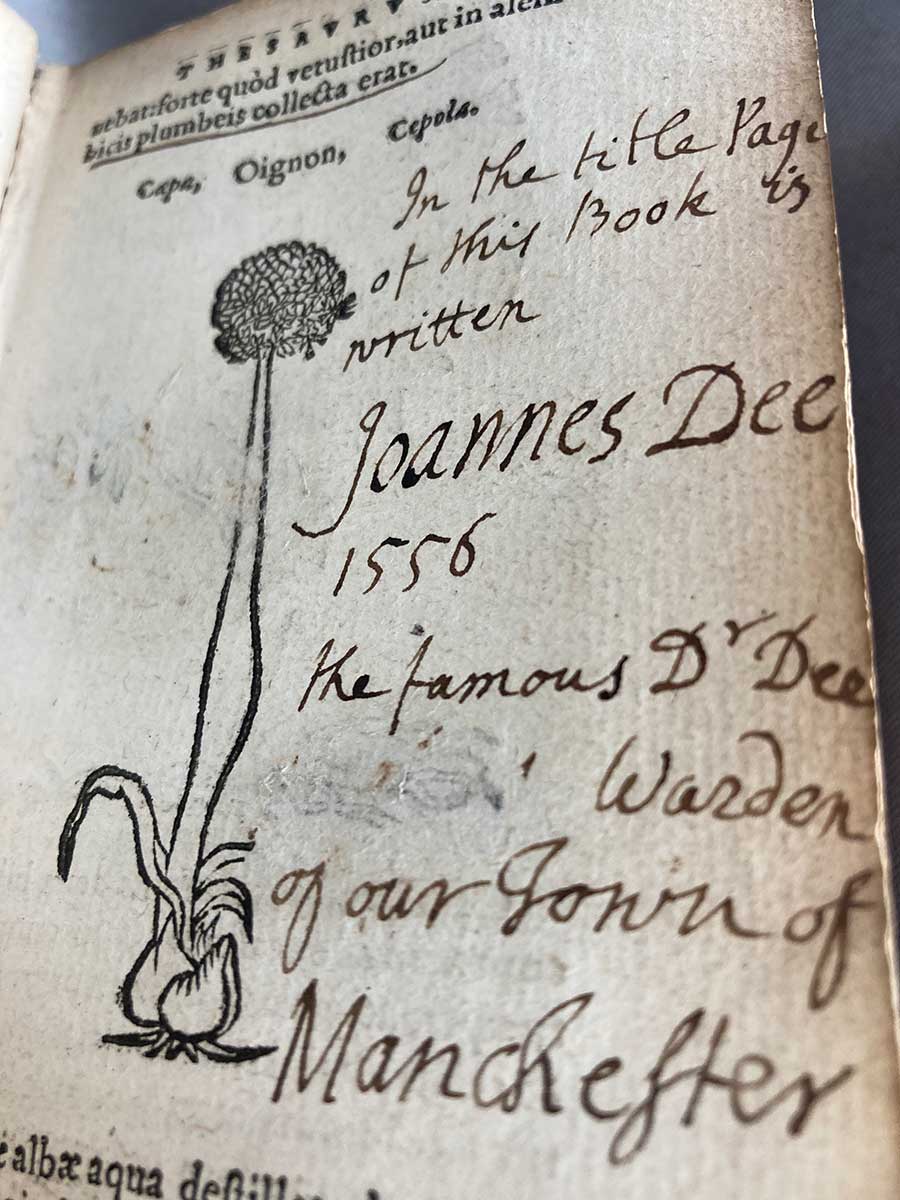
It began when I discovered the life of John Dee. He was a 16th century mathematician, astrologer and all-round angel talker, who was believed by many people at the time to be a wizard and a magician. This was a time when most people believed in ghosts and angels and witches and fairies, when the world was believed to be ending any minute, and when comets and eclipses seen in the sky were a sure sign of the coming apocalypse. If we look at what John Dee wrote and the books in his library and what his peers were interested in, we get some idea of his ambitions – that he wanted to understand how the universe works, and why God had created it, and how to discover the Philosopher’s Stone, which could turn lead into gold, and what was the language that Adam and Eve and the angels spoke in the Garden of Eden? These were just some of his ambitions. I lay in bed in the early mornings – it’s when I do most of my work – and thought about John Dee’s story and wondered what it would have been like to be John Dee, living in such magical times?
Researching John Dee
I began to research John Dee’s life. I went to Mortlake beside the Thames where he had lived with his wife Jane and their numerous small children in a house with gardens that ran down to the river. He also had a library, the biggest in England, so big that it was believed to contain the entire history of the world, what was, what had been and what would be til the end of time. In my mind’s eye I could see John Dee in his magical library whilst his children played out on summer evenings. I could even hear their shouts and laughter. I began to wonder what a wizard does in his time off, what games he would have played with his children? I could feel my interest in this story getting stronger by the day.
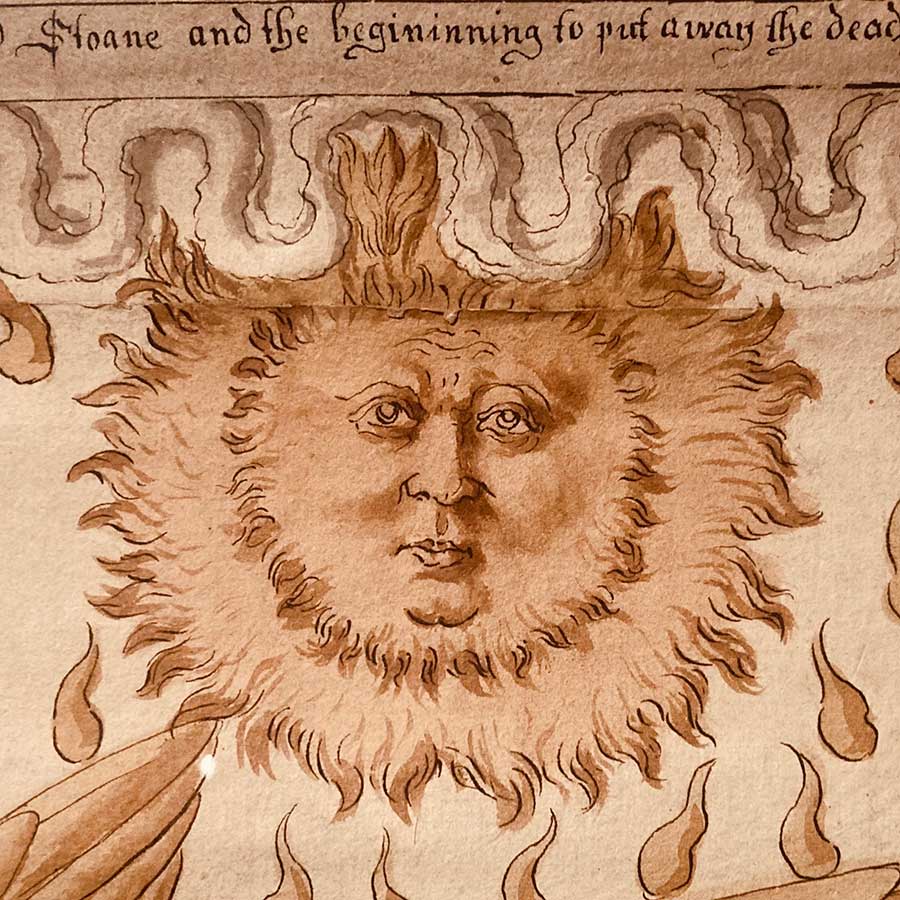
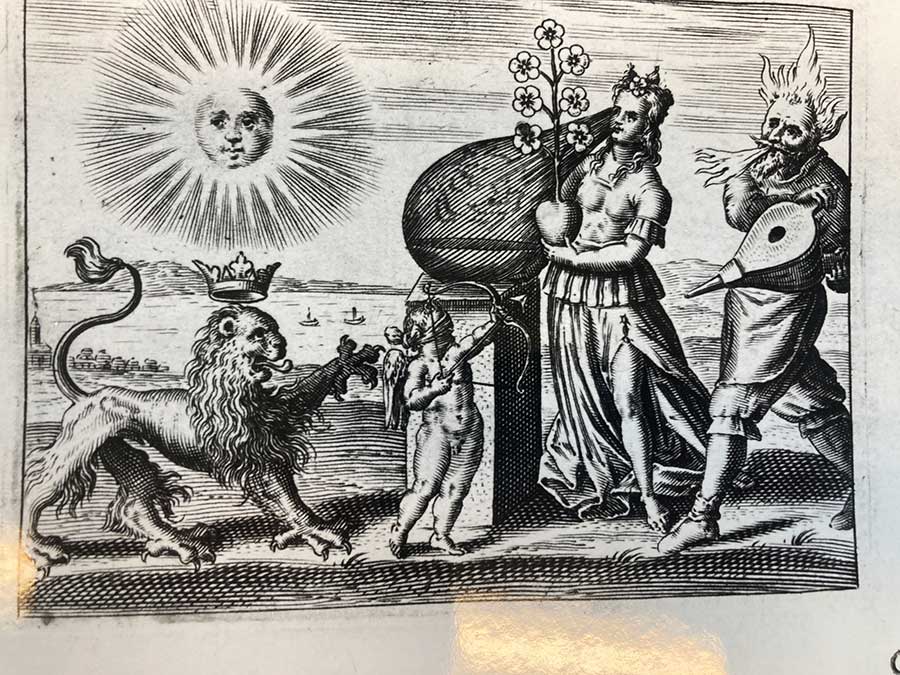
I sat in libraries, reading books on Alchemy, that magical science in which John Dee, like all the Renaissance wizards, believed, and through which they thought that they could discover the Philosopher’s Stone. This was a magical substance that would turn base metals into gold and grant the user Immortality and the elixir of Life.
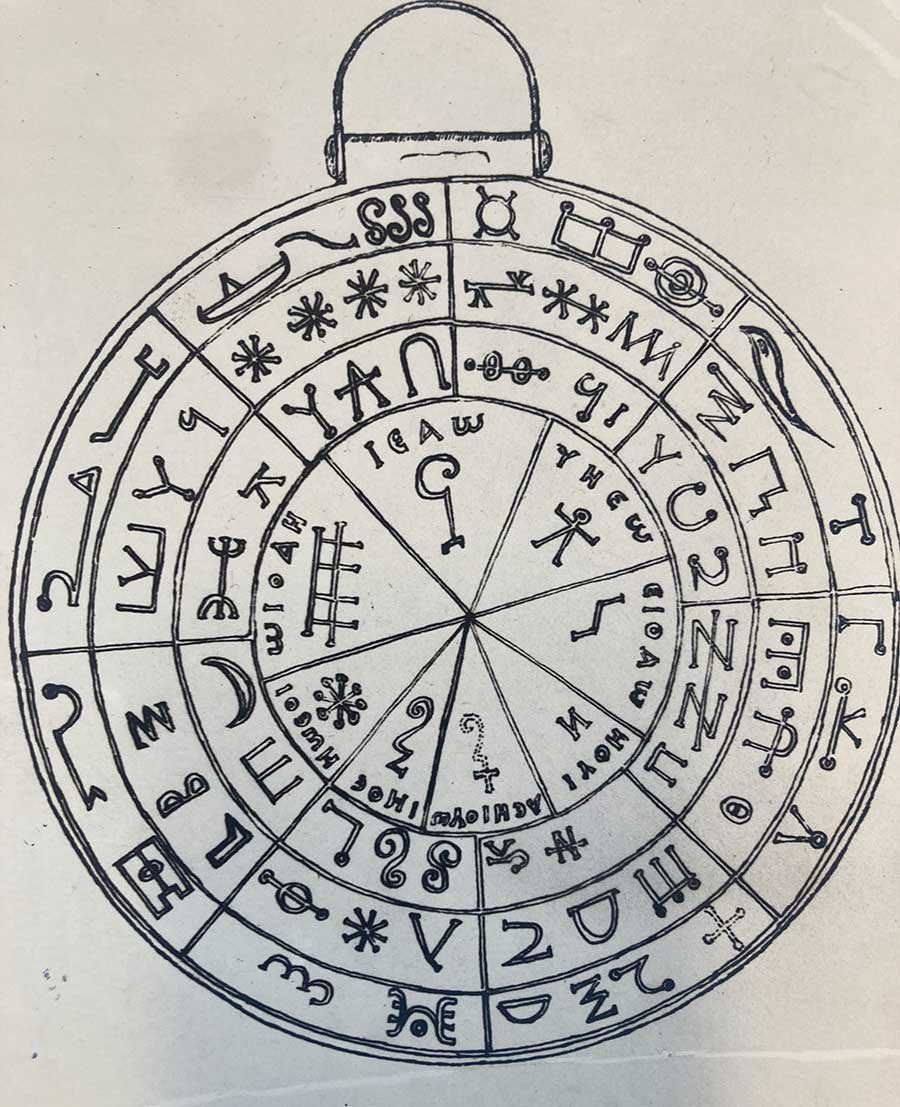
Faeries, witches, ghosts & goblins
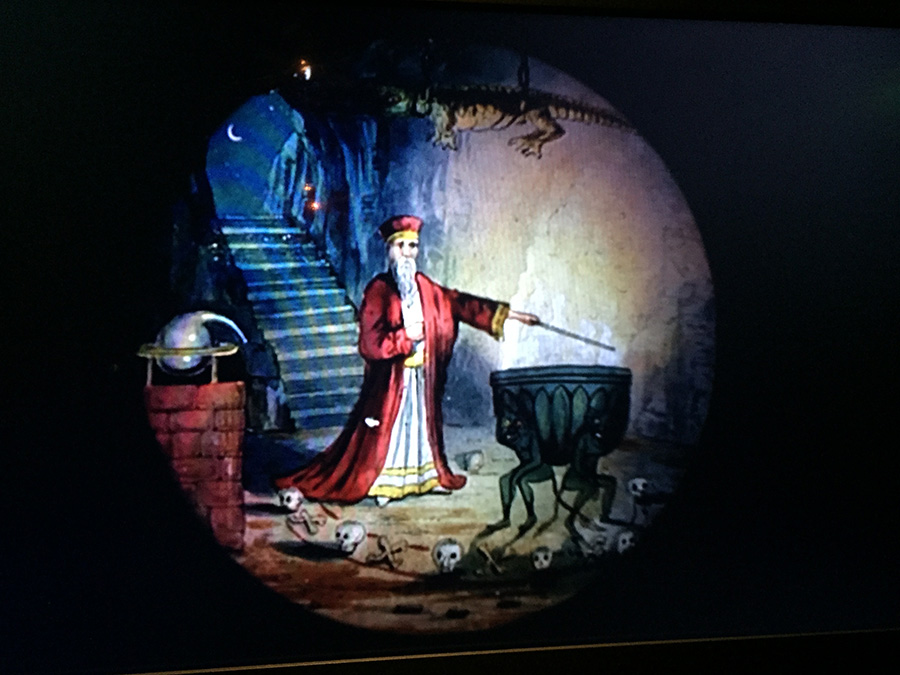
I began to wonder about John Dee’s neighbours and servants, and what they believed in, which took me to beliefs in fairies and witches and ghosts and goblins. I was amazed at how gendered magic was in the 16th century. A man like John Dee, who was a friend of kings and queens (Dee was Queen Elizabeth’s astrologer), practised posh, upper class, male magic. But witches were very ‘female’; theirs was the magic of the poor and the book-less. And because the church and the state so disliked witchcraft, it was often very dangerous to practise it. Lying in bed in those early morning I wondered what the conversation would have been like between John Dee and a witch or a poor fairy?
I was surprised at how beautiful were some of the magical beliefs back then. There was, for instance, a belief in something called the Music of the Spheres, the idea that the planets are so harmoniously placed that as they move they sing out with a strange and beautiful music. And there was also a belief that the world had a soul, and that therefore it could feel for you, as you could feel for it. How beautiful is that?
Ambitions
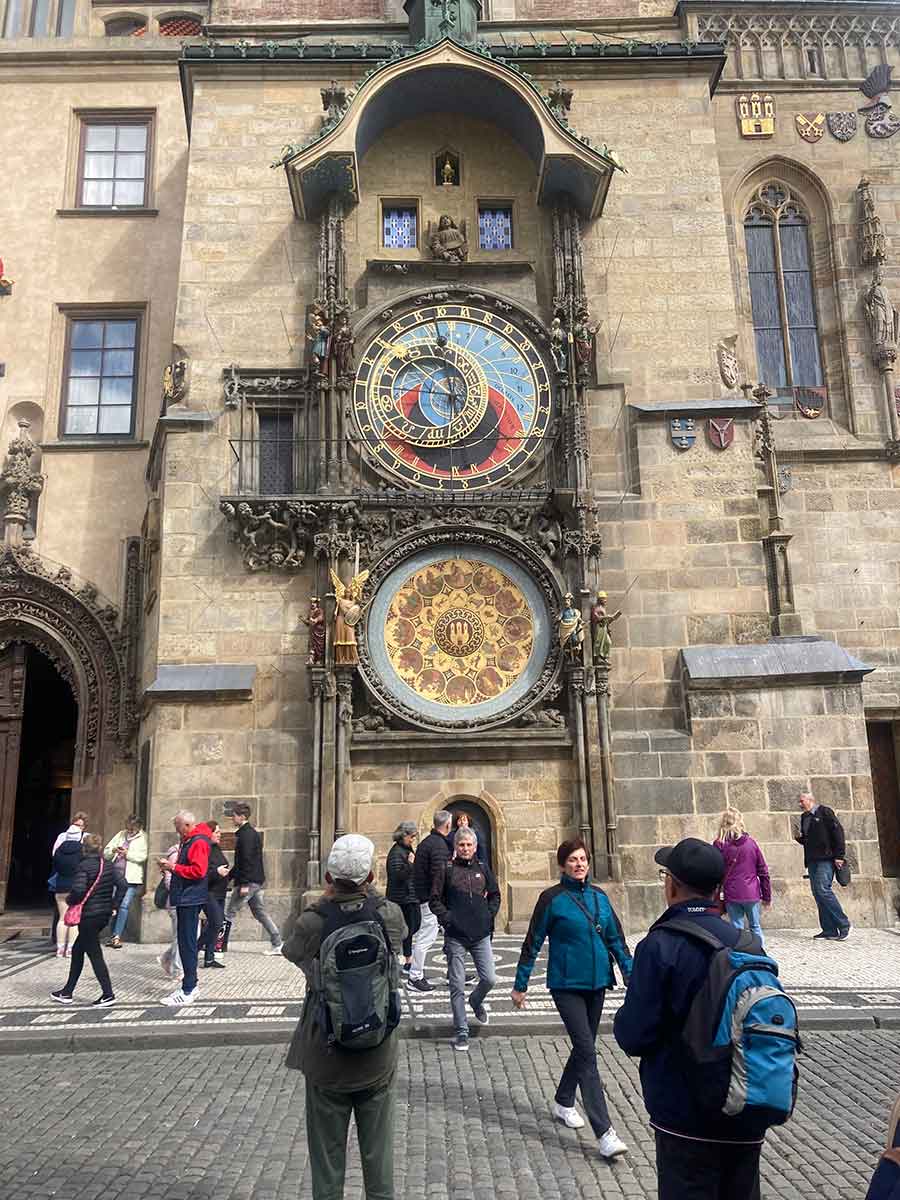
When John Dee was in his fifties he got it into his head to take his wife and small children and travel across Europe to Prague, which was then the occult capital of Europe. I thought about that journey, by ship and by carriage, across the whole of the continent in winter. I thought of the contrast between John Dee’s grand ambitions and the lives of his wife and children, the details of his domestic life, his arguments with his wife, the games his children played in the gardens at Mortlake (all of which we know about because his diaries have survived). And I thought about every daughter who has ever had an obsessive and unreasonable father who has followed his dreams.
By now my interest in this story was like an electric shock rushing through me and I knew I had found the book that I wanted to write.
Magical thinking
From then on I was entirely hooked by this story.
I started researching this book in a very sceptical, 21st century kind of way but Renaissance magical thinking is very beautiful and it changed me in all kinds of ways. What John Dee did in Prague, what happened to his wife and children after they came home from Prague, and to what extent I came to believe in all this magical thinking I tell you at the end of the book.
Join me on substack
Story Talk is about writing books and getting published, and aims to capture three-years-worth of thoughts and ideas that bubbled to the surface of my mind whilst I was writing my book.